|
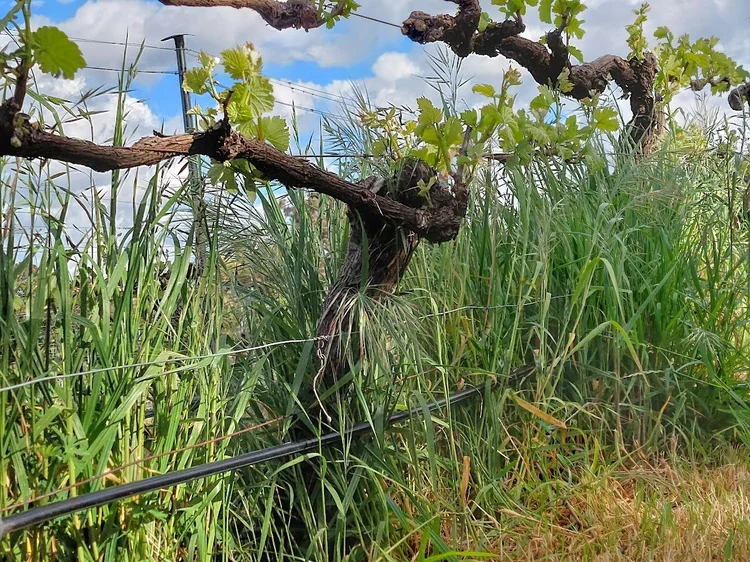
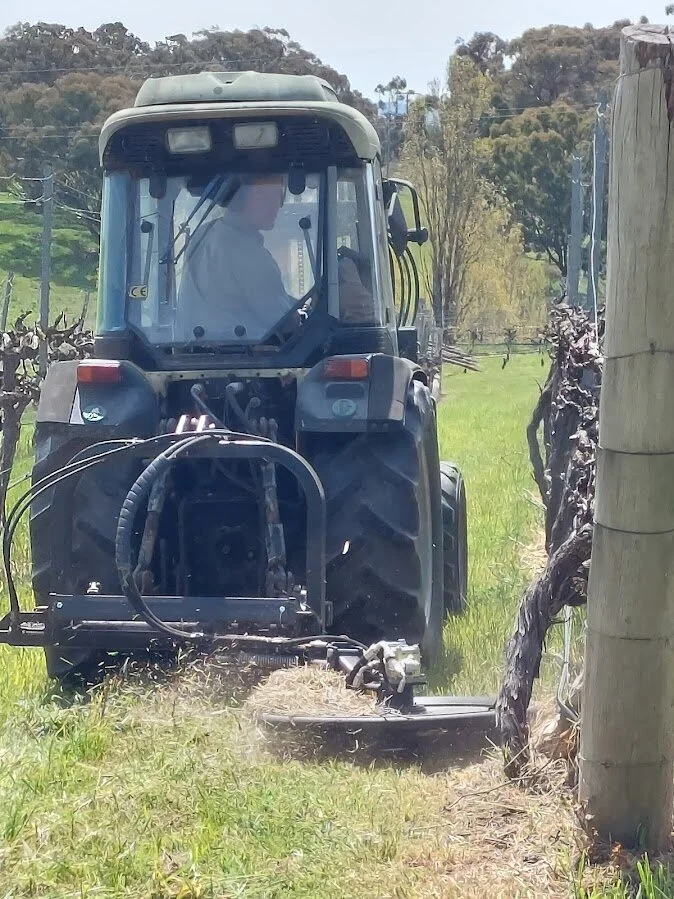
Weeds, particularly in a wet year like 2021, are a challenge in the vineyard. If they get out of control they can change the meso-climate of your site by decreasing air flow. The flow of Spring air across your vineyard floor is critical for the amelioration of frost and humidity hazard. We all know what radiation frost does to fleshy young shoots while high humidity is a prerequisite for the spread of fungal diseases like downy mildew. So weeds need to be dealt with. Traditionally, crazy ploughing was used to turn over the soil between the vines destroying the weed growth (and plenty of vines) along the vine row. This was always destructive of the physical and biological health of the soil. It not only releases masses of stored carbon to the atmosphere, physically breaking up the soil fatally disturbs “bacteria, protists, nematodes, archaea, algae and fungi” while cutting hyphal threads “those long, invisible strands of fungal matter that provide all that underground connectivity in terms of nutrients and communication. These hyphae are the source of glomalin, that magical superglue of soil. Slice through them, and soil structure is broken” (1) So crazy ploughing is out! Modern commercial farming attacks weeds using systemic, knock-down and residual herbicides. While this post WW2 practice kills the weeds, it also devastates soil biota, exposes the soil stored carbon to to the atmosphere and poses reportedly severe health effects in both the applicator and the environment. So herbicides are out! At Bloodwood we use an inter-vine slasher and a sharp shovel. Problem solved? Well not necessarily. The CO2 produced from the diesel we burn in running the tractor through the vineyard across the growing season does nothing for the atmosphere. As with all human interventions, it is a matter of balance but the sooner electric powered tractors are available the better for us and our weed control.
|